What Makes Tear-Outs Harder Than Most People Expect
Common challenges in interior demolition work often come down to hidden problems, safety risks, and poor planning. At first glance, tearing out drywall or removing cabinets may seem simple. But once walls are opened, you may find wiring, plumbing, mold, or structural parts that change the whole plan. Dust control, debris removal, and building codes also add layers of difficulty.
Quick Diagnosis Summary
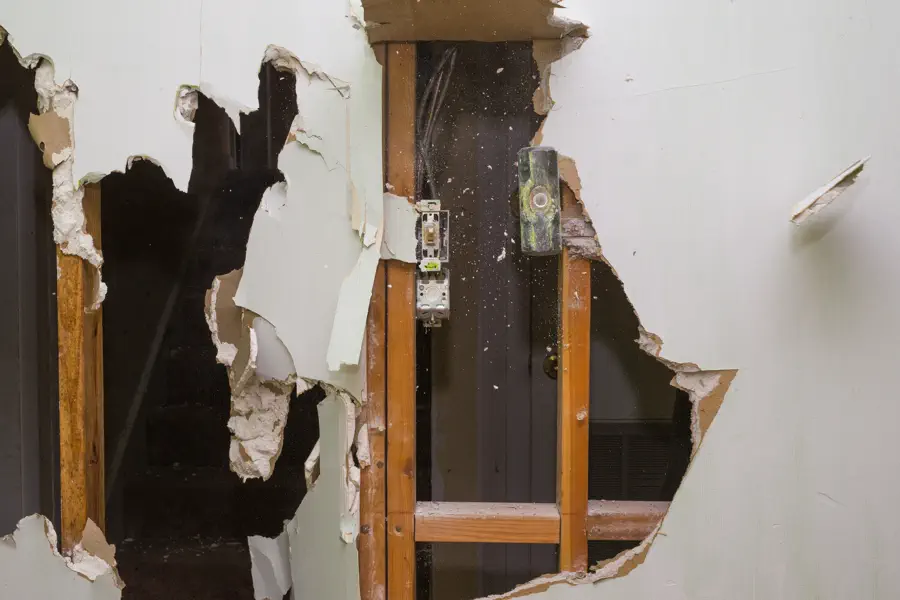
Most problems during interior demolition happen because something was not visible before work began. Wires may run through studs. Pipes may sit behind cabinets. Load-bearing walls may look like simple partitions. Without a clear plan, small projects can grow fast. That is why preparation and inspection matter so much.
Common Symptoms
If a project starts going off track, there are clear warning signs. You might notice delays, rising costs, or safety concerns. Here are some common symptoms:
- Unexpected electrical or plumbing lines inside walls
- Excessive dust spreading through the building
- Damage to floors, ceilings, or nearby rooms
- Permits or inspection issues
- Structural movement after wall removal
These issues can stop work right away or lead to long-term damage if handled the wrong way.
Likely Causes
Many of these problems share similar causes. Older buildings often have outdated layouts. Renovations done years ago may not match current code. In some cases, past contractors cut corners and covered up unsafe work.
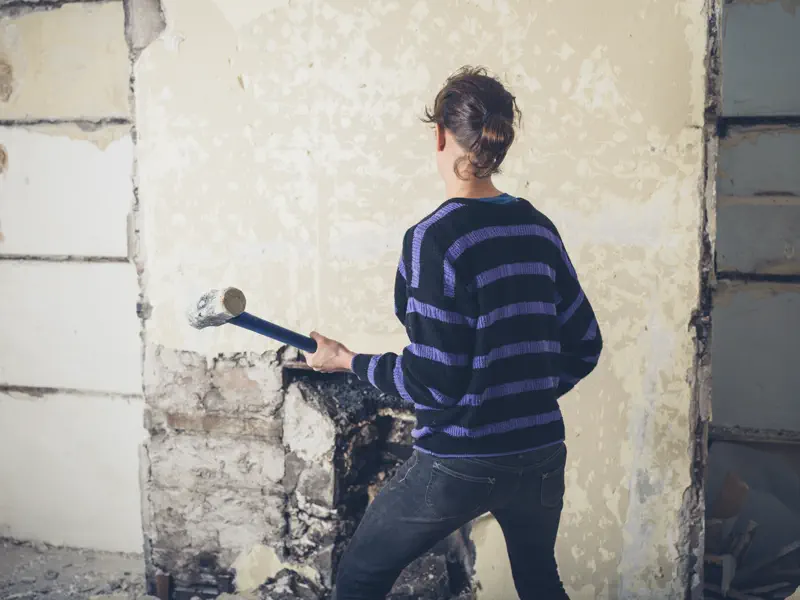
Another major cause is lack of proper planning. interior demolition is more than swinging a hammer. It involves checking plans, locating utilities, and setting up dust barriers. Without these steps, crews risk breaking pipes, cutting live wires, or weakening structural supports.
Poor communication between the demolition team and other trades can also lead to mistakes. If everyone is not clear on what stays and what goes, important components may be removed by accident.
What to Check First
Before starting interior demolition, inspect the space carefully. Try to answer these questions:
- Is the wall load-bearing?
- Are there visible outlets, switches, or plumbing signs?
- Has the building been tested for asbestos or lead paint?
- Are permits required for this scope of work?
Shut off power and water to affected areas before opening walls. Protect floors with thick coverings. Seal off nearby rooms with plastic sheeting to control dust. These simple steps can prevent major setbacks.
Safe Fixes Vs Pro-Level Fixes
Some problems have simple solutions. For example, if minor dust spreads, better sealing and ventilation may solve it. If small sections of drywall crack, patching is usually enough.
Other problems require trained professionals. Cutting into a load-bearing wall without support can weaken the structure. Hitting a plumbing line can flood a property in minutes. Electrical mistakes can cause fire or injury. In these cases, a skilled crew with the right tools should step in.
A professional team also knows how to sort and dispose of debris properly. Certain materials need special handling under local rules. This is especially true in commercial service category projects where safety standards are strict.
Prevention Tips
Stopping problems before they start is always easier than fixing them later. Use this simple prevention checklist:
- Walk the site and review building plans if available.
- Mark all known utility locations.
- Schedule required inspections and permits.
- Set up dust containment barriers.
- Use proper safety gear for everyone onsite.
It also helps to plan debris removal ahead of time. Large piles of waste can slow work and create hazards. Renting the right containers and scheduling pickups keeps the site clean and safe.
Clear communication is another key step. Everyone involved should know which walls, fixtures, or finishes must remain. Labeling and marking areas reduces confusion.
Final Recommendation and Next Steps
Interior demolition sets the stage for everything that follows in a remodel. When it is done right, the rest of the project runs smoother. When mistakes happen early, they can affect every trade that comes next. If you are planning a project in Smiths Station, AL, it helps to talk through your goals and site conditions before work begins. At Zebco Outdoor Services, we handle interior demolition projects with careful planning and safety in mind. We review each space, protect surrounding areas, and coordinate with other trades so nothing important is damaged. Call us at (334) 454-7198 to discuss your project and see how we can help you move forward with confidence.